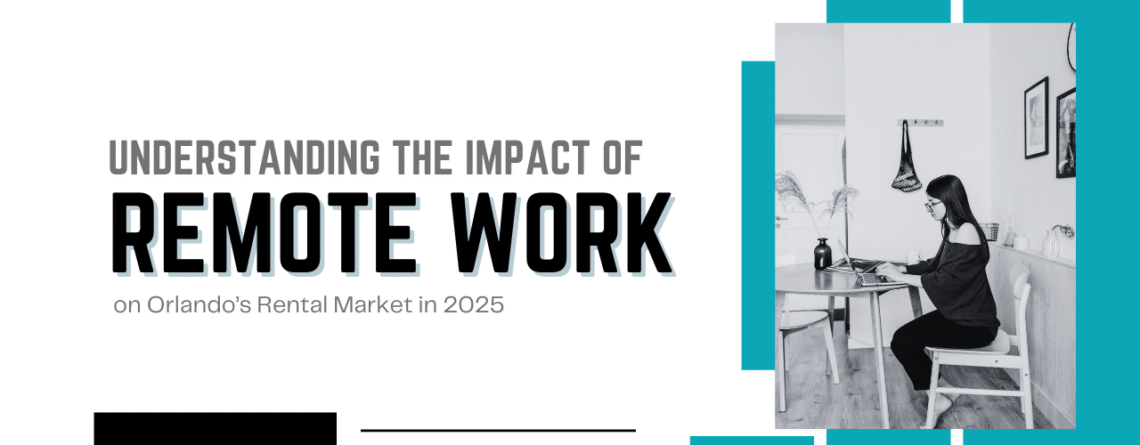
Understanding the Impact of Remote Work on Orlando’s Rental Market in 2025
The real estate landscape is changing as we continue to move through 2025 and its challenges and opportunities. While that statement alone can cover a lot of ground, today, we’re specifically talking about the shift that has emerged with the popularity of remote work.
Employees’ flexibility to work from home (or anywhere) has played a central role in reshaping the dynamics of rental markets across the country. Orlando, historically known for its world-class tourism, theme parks, and vibrant hospitality sector, is now grappling with a new reality. Remote work has entered the picture, changing how rental property owners and real estate investors must think about the market, demand, and long-term prospects.
In many ways, this is good for our market. Orlando and the surrounding communities are highly desirable places to live, and we’re attracting remote workers nationwide. But what does this mean for demand, capacity, and affordability? And can rental property owners provide what remote working tenants are seeing?
Let’s explore the key ways remote work influences Orlando’s rental market in 2025, and what real estate investors and property owners need to know to stay competitive.
Remote Work: A New Normal
Yes, there’s been some pushback against remote work. A handful of companies and the federal government have called their workers back into the office. But a growing number of companies are expanding their flexible working initiatives, and employees are increasingly seeking out positions that allow them to work from outside the office. This trend was already underway before the COVID-19 pandemic, and since then, it has really taken off.
In 2025, the remote work culture will become a permanent fixture for many industries. According to a recent survey from Pew Research Center, nearly 30% of U.S. workers still work remotely full-time, and 40% follow a hybrid model where they alternate between the office and their home.
Orlando, long a hub for tourists and seasonal residents, is now seeing a new demographic of remote workers move into the city. These workers are not necessarily tied to the traditional 9-to-5 office grind, and many are taking advantage of living anywhere while maintaining their careers.
How Remote Work Is Changing Orlando’s Rental Market
So, what does this mean for our market, specifically your property?
- Increased Demand for Larger Properties
One of the most significant impacts of remote work on Orlando’s rental market is the increased demand for larger properties. In the past, renters in Orlando often sought smaller, more affordable apartments or condos, especially those close to the major tourist attractions or downtown. However, with the shift to remote work, people are looking for homes that offer more space for home offices, study areas, and additional living space for family members.
Larger single-family homes and townhouses are becoming increasingly desirable, as remote workers need quiet, comfortable environments to be productive. These properties are now in higher demand than ever, leading to increased competition among renters and rising rental rates for larger homes.
This trend presents an opportunity for property owners and investors to capitalize on the growing demand for more spacious living options. If you own single-family homes or larger rental properties, now is the time to market these spaces as remote work-friendly, emphasizing the extra bedrooms, home office spaces, and larger living areas that can accommodate a growing number of telecommuting professionals.
- Growth of Suburban and Outlying Areas
As remote workers are no longer constrained by proximity to their offices, many are opting for suburban or outlying areas of Orlando that offer more affordable rent and better living conditions. Areas previously overlooked or considered less desirable are now attracting new tenants seeking a quieter, more spacious environment.
Suburban neighborhoods like Winter Park, Lake Nona, and Dr. Phillips are seeing significant growth in demand as remote workers flock to these areas. The affordability of suburban living, combined with the prospect of living in a more peaceful environment with access to parks, green spaces, and other amenities, is driving this shift.
This change presents an opportunity for rental property owners and real estate investors to expand their portfolio into these growing suburban markets. Properties that may have been overlooked a few years ago now have the potential for strong returns, especially as remote workers seek more affordable living spaces away from the crowded downtown core.
- Changes in Tenant Preferences
The shift to remote work has also led to a change in tenant preferences. In the past, tenants were often focused on living close to work, nightlife, and entertainment. In 2025, however, renters are paying a higher premium on amenities supporting a comfortable and productive home life.
High-speed internet, quiet workspaces, and proximity to essential services like grocery stores, gyms, and coffee shops are becoming top priorities for remote workers. Community features like coworking spaces, fitness centers, and pet-friendly amenities are also gaining traction. As a result, properties that offer these amenities or are close to them are more attractive to remote workers looking for a living space that enhances their lifestyle.
Real estate investors and property owners can meet this demand by offering modern, high-quality amenities tailored to remote work. Offering reliable internet, soundproofed rooms, or dedicated office spaces will make your property stand out in a competitive market.
- Potential for Rent Increases
The demand for more spacious properties, particularly those in suburban or outlying areas, combined with the increasing popularity of flexible rental terms, contributes to rent increases in Orlando. With remote workers willing to pay a premium for larger spaces, properties that meet these new demands command higher rents.
This trend is most noticeable in neighborhoods that cater to remote workers, offering a blend of suburban tranquility with proximity to urban amenities. Renters are also willing to pay more for properties with the right amenities, such as high-speed internet, quiet home offices, and pet-friendly features. Investors who can meet these demands and adjust their pricing accordingly may see significant returns.
However, rental property owners should be cautious. While rising rents present an opportunity, they also require careful consideration. Overpricing properties can lead to extended vacancy periods, and tenants may be drawn to more affordable options. It’s crucial to balance offering competitive rates and capitalizing on the demand for larger, better-equipped rental homes. You can benefit from a comprehensive, comparable market analysis. We specialize in these at Homevest Management, so get in touch and we’ll tell you what you should be earning, and whether there’s potential for earning higher rents.
- Shifting Demographics of Renters
Remote work is also changing the demographic makeup of Orlando’s renters. In the past, many of Orlando’s renters were transient professionals, students, or tourists. However, with the rise of remote work, the city is now attracting a more diverse long-term population, including families, professionals, and retirees who can live in the area year-round. Those retirees are looking for low-maintenance living, which is precisely what a modern rental home provides.
Many remote workers are young professionals looking for a change of pace from high-cost cities like New York or San Francisco. These individuals find Florida’s relatively low cost of living, access to outdoor activities, and overall quality of life appealing. Additionally, some older adults and retirees, who may have been tied to specific geographic locations, are also moving to Orlando for its warm climate and strong healthcare infrastructure.
Property owners aware of these shifting demographics can better tailor their offerings to meet the needs of this broader group. Families may be more interested in larger homes with yards, while younger professionals might prefer smaller, low-maintenance properties with modern amenities.
Embracing the Future of Orlando’s Rental Market
 As we look ahead to 2025 and beyond, it’s clear that remote work is playing a transformative role in Orlando’s rental market. With remote workers seeking larger, more affordable properties in suburban and outlying areas, property owners and investors must adapt to these changing trends. By understanding the evolving demands of remote workers—whether it’s more space, better amenities, or flexible rental terms—real estate investors can position themselves for success.
For rental property owners, the key to thriving in this new market is to stay informed, stay adaptable, and be proactive in adjusting their offerings to meet the needs of this emerging demographic. Whether you own vacation rentals, single-family homes, or multi-unit properties, understanding the impact of remote work on Orlando’s rental market is essential to navigating the opportunities and challenges that lie ahead.
We would be happy to take a nuanced look at your current investments and any properties you’re considering to tell you how this specific tenant demographic might respond to your offer. Contact us at Homevest Management, Inc. for all your Orlando property management needs. We serve Central Florida, including Winter Garden, Doctor Phillips, Baldwin Park, Winter Springs, and Windermere.