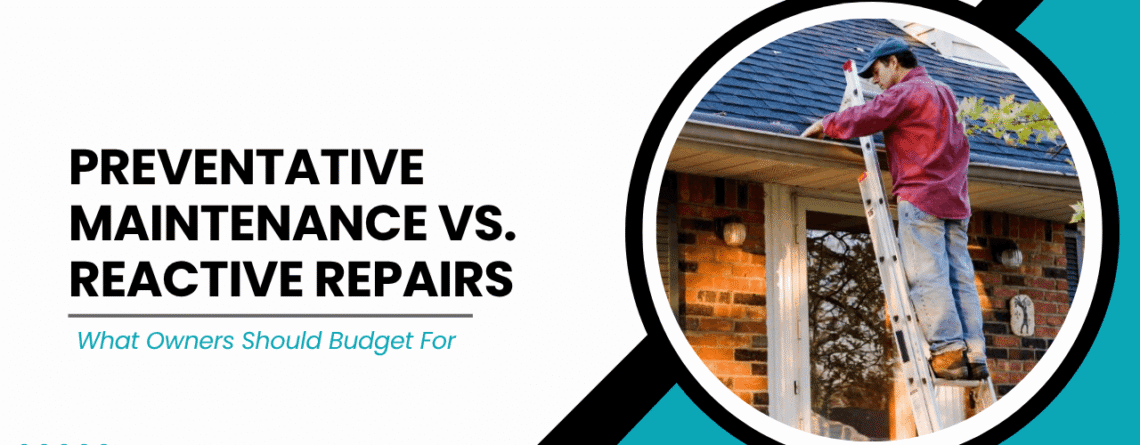
Preventative Maintenance vs. Reactive Repairs: What Orlando Owners Should Budget For
What’s the best way to approach rental property repairs?
The only right answer is to prioritize preventative maintenance.
Reactive repairs are expensive. They’re disruptive. They’re likely to speed up the deterioration of your property’s condition and erode the value of your investment.
The difference between these two approaches can have a major impact on profitability. Understanding what preventative maintenance involves, what reactive repairs typically cost, and how to budget for both can help Orlando rental property owners protect their assets and stabilize long-term returns.
Summary of Preventative Maintenance Budget Items:
|
What is Preventative Maintenance?
Preventative maintenance refers to scheduled inspections, servicing, and minor repairs designed to prevent larger problems from developing. Instead of waiting for a system to fail, preventative maintenance focuses on maintaining the health and efficiency of key property components.
In Orlando rental properties, we view preventative maintenance as the routine inspection and servicing of:
- HVAC systems
- Plumbing systems
- Roofing and drainage
- Appliances
- Exterior paint and sealants
- Landscaping and drainage systems
- Pest prevention
- Safety equipment such as smoke detectors
The goal is to identify wear and tear early and correct small issues before they become major repairs.
In a climate like Orlando’s, preventative maintenance is particularly important because heat, humidity, heavy rainfall, and tropical activity place additional stress on building materials and mechanical systems.
What Do Reactive Repairs Look Like?
Reactive repairs occur when something breaks and must be fixed immediately. This approach is common among landlords who prefer to minimize ongoing maintenance costs or who simply respond to tenant maintenance requests as they arise. Inexperienced landlords also tend to wait until something goes dramatically wrong before they address it.
Examples of reactive repairs include:
- Replacing an HVAC system after it fails during the summer
- Repairing water damage from a long-term plumbing leak
- Replacing a roof after significant storm damage
- Fixing electrical problems after circuits fail
- Replacing appliances after they stop working
While reactive repairs are sometimes unavoidable, relying solely on this approach creates several financial risks.
Emergency repairs are often more expensive than planned maintenance. Service providers may charge higher rates for urgent calls, particularly during nights, weekends, or peak demand periods.
Additionally, reactive repairs often involve secondary damage. A small plumbing leak that goes unnoticed for weeks can lead to drywall damage, mold growth, and flooring replacement, multiplying the cost of the original issue.
Why Preventative Maintenance is the Better Choice in Orlando Rental Homes
Orlando’s climate and environmental conditions make preventative maintenance particularly important for rental properties.
High humidity levels can accelerate mold growth and damage building materials. Air conditioning systems operate nearly year-round, increasing wear on HVAC equipment. Heavy rainstorms and hurricanes can place stress on roofs, gutters, and drainage systems.
Without regular inspections and maintenance, small vulnerabilities can quickly become large problems.
For example:
- Clogged gutters can lead to roof leaks and foundation issues
- Poor HVAC maintenance can cause compressor failure during peak summer temperatures
- Small roof issues can allow water intrusion during major storms
- Poor drainage can cause erosion or water damage around the property
Routine maintenance helps identify these risks before they cause significant damage and cost owners a lot of money.
Key Preventative Maintenance Items Orlando Owners Should Budget For
Preventative maintenance typically allows for predictable annual expenses. By budgeting for these services in advance, rental property owners can avoid sudden financial surprises.
Below are several maintenance categories that Orlando rental owners should include in their annual maintenance budgets.
- HVAC Maintenance
Air conditioning systems are essential in Florida. When an HVAC system fails during summer, the situation quickly becomes urgent. Regular HVAC servicing typically includes:
- Cleaning coils
- Checking refrigerant levels
- Inspecting electrical components
- Replacing air filters
- Testing thermostat function
Most HVAC professionals recommend servicing systems twice per year in Florida. Routine maintenance usually costs a few hundred dollars annually but can extend system lifespan by several years and prevent costly breakdowns. Well worth your money.
- Roof and Gutter Inspections
Roofs in Florida endure extreme weather conditions, including heavy rainfall, wind, and intense sun exposure. Annual roof inspections help identify:
- Loose or damaged shingles
- Sealant failures
- Flashing damage
- Early signs of leaks
Gutter cleaning is also critical to prevent water buildup and drainage issues. Preventative roof inspections are inexpensive compared to the cost of water damage repairs or full roof replacement.
- Plumbing System Checks
Small plumbing issues are one of the most common causes of hidden property damage. Preventative plumbing maintenance can include:
- Checking water pressure
- Inspecting exposed pipes
- Testing shut-off valves
- Checking for slow leaks
- Inspecting water heaters
Catching small leaks early can prevent thousands of dollars in water damage repairs.
- Pest Control
Florida’s warm climate creates an ideal environment for pests such as termites, ants, roaches, and rodents. Routine pest control services help prevent infestations that can damage property and create tenant complaints. Termite prevention is particularly important, as termite damage can be extensive and expensive to repair.
We always tell landlords to schedule quarterly pest control treatments as part of their preventative maintenance strategy.
Exterior Maintenance and Drainage
Exterior maintenance is often overlooked but plays an important role in protecting the structure of a rental property. Tenants will notice and it’s part of your curb appeal. Preventative exterior maintenance includes:
- Sealing exterior cracks
- Maintaining caulking around windows and doors
- Checking grading and drainage
- Pressure washing exterior surfaces
- Inspecting siding or stucco
These small tasks help prevent water intrusion and structural deterioration.
The Real Cost of Reactive Repairs
When landlords rely primarily on reactive repairs, they often encounter several financial disadvantages. Your budget becomes a lot more complicated because it’s hard to plan for things like:
- Emergency Service Premiums
Emergency repairs typically cost significantly more than scheduled maintenance visits. Contractors may charge higher rates for urgent calls or work performed outside standard business hours. For example, an emergency HVAC replacement during peak summer demand may cost significantly more than a planned system replacement scheduled during the off-season.
- Secondary Damage
Delayed repairs often lead to additional damage. Examples include water leaks damaging drywall and flooring, roof leaks causing insulation damage, and HVAC failures leading to mold growth in humid conditions. When these secondary problems occur, the repair scope expands dramatically.
FAQs:
Q: How Does Reactive Maintenance Impact Tenant Dissatisfaction?
When tenants experience repeated maintenance problems or slow repair responses, they may choose not to renew their lease. Higher tenant turnover increases vacancy costs and leasing expenses.
Preventative maintenance helps create a more reliable living environment, which can improve tenant retention.
Q: What Orlando Owners Should Budget Each Year
While maintenance costs vary depending on property size and age, many real estate professionals recommend budgeting between 1% and 2% of a property’s value annually for maintenance and repairs. We also think it can be beneficial to keep a percentage of your rental income in a maintenance reserve. For example, you could put aside 10% of your rental every month.
However you choose to budget, you want to cover both preventative maintenance and occasional reactive repairs.
Q: What if I Rent Out an Older Home?
Older properties may require slightly higher maintenance budgets, especially if major systems such as roofs, HVAC units, or plumbing are nearing the end of their lifespan.
Q: How Can I Plan for Capital Expenditures?
In addition to routine maintenance, property owners should plan for larger capital expenditures that occur periodically. Examples include:
- Roof replacement
- HVAC system replacement
- Water heater replacement
- Appliance replacement
- Exterior repainting
These items are not annual expenses but should still be accounted for in long-term budgeting. We tell investors to create a separate reserve fund for these larger capital expenses.
The Long-Term Financial Advantage of Preventative Maintenance
Although preventative maintenance requires ongoing spending, it usually reduces overall ownership costs in the long run. Key financial benefits include:
- Lower emergency repair costs
- Extended lifespan of major systems
- Reduced property damage risk
- Improved tenant satisfaction and retention
- More predictable budgeting
When maintenance is planned rather than reactive, property owners gain greater control over both expenses and timing.
Finding the Right Balance for Orlando Investments
 Even with a strong preventative maintenance plan, reactive repairs will still occur. Appliances fail unexpectedly, storms cause damage, and tenants occasionally report sudden problems.
The goal is not to eliminate reactive repairs entirely but to minimize them by maintaining the property proactively.
While reactive repairs may appear cheaper in the short term, they often lead to larger repair bills, tenant dissatisfaction, and increased risk of property damage. Preventative maintenance requires planning and consistent budgeting, but it significantly reduces the likelihood of costly emergencies.
For Orlando long-term rental property owners, a well-structured maintenance strategy is essential. By investing in preventative care and maintaining adequate repair reserves, landlords can protect their properties, improve tenant retention, and create more predictable long-term investment returns.
Not sure where to start with your maintenance budgeting? Contact us at Homevest Management, Inc. We provide property management in Orlando and throughout Central Florida including Winter Garden, Doctor Phillips, Baldwin Park, Winter Springs, Celebration, and Windermere.